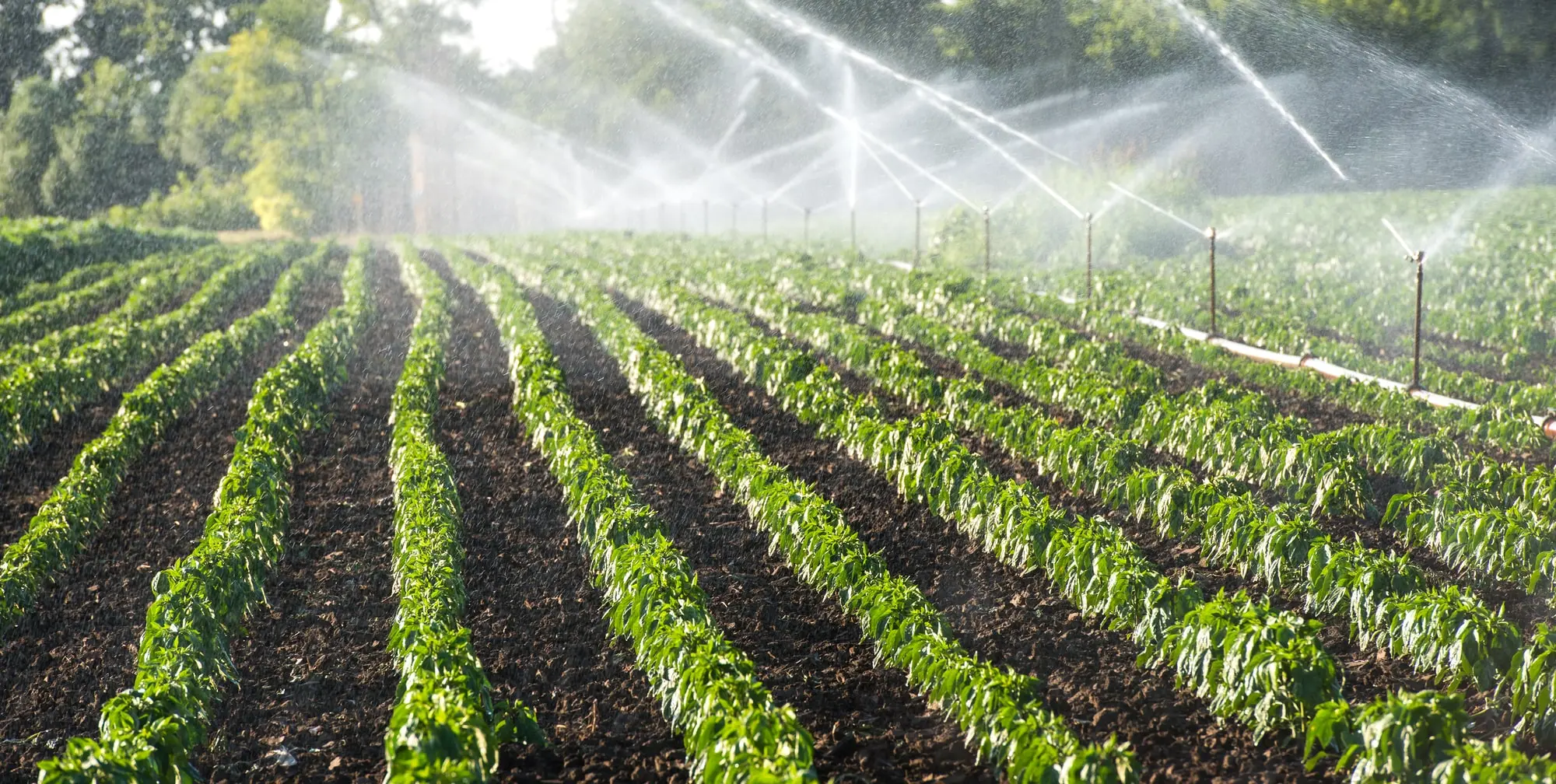
Every well-kept garden in Sri Lanka runs on someone's discipline — the hose in the early morning, the watering cans before dusk, the standing instructions to whoever's home when you travel. Automated irrigation replaces that daily dependence with a system: the right water, at the right time, to every plant, whether you're in the garden or in another country. It's the same engineering we install at Parliament and golf courses, sized for a home.
What a home system actually consists of
A residential installation is built from four layers, all hidden in plain sight:
- Zones. The garden is divided by water need: lawn, flower beds, shrubs and hedges, pots and verandah planters, vegetable patch. Each zone gets its own valve, schedule and emitter type.
- Delivery hardware. Pop-up sprays water the lawn and disappear below mowing height when done; drip lines and micro-jets serve beds, hedges and pots without wetting walls and walkways.
- A controller. From simple tap timers to WiFi controllers you manage from a phone, with rain sensors that skip watering when the monsoon does the job.
- Supply and filtration. Mains, well or tank supply, with a small filter protecting the drip zones, and a backflow preventer protecting your drinking water.
Why zoning matters more than gadgets
A lawn wants deeper, less frequent watering that drives roots down. Pots dry out daily. Vegetables want steady root-zone moisture; established trees barely need help outside droughts. One hose treats them all identically — badly. Zoning is what lets a modest system outperform an expensive unzoned one, and it's where professional design earns its keep even at garden scale.
The Sri Lankan specifics
- Two monsoons, two dry seasons. A rain sensor or weather-aware controller stops the sprinklers running mid-downpour and carries the garden through Yala without you touching a dial.
- Water sources vary. Mains pressure in Colombo suburbs differs wildly from well-and-pump homes in Kurunegala; tank-fed drip zones can run on gravity alone. Design follows the source.
- Travel-proofing. For families abroad for weeks, WiFi controllers show every run on your phone — and a flow alarm tells you if a line breaks while you're away, instead of a water bill telling you later.
- Dust and heat. Micro-jets under hedges and trees keep foliage clean and beds cool through the driest months without wasting water on paths.

What installation involves (and disrupts)
A typical home installation runs one to three days. Shallow trenches for the pipe runs are cut and reinstated — lawns recover within weeks, and established beds are hand-worked around root systems. The controller mounts in a garage or utility area; valve boxes sit flush with the ground. Done properly, within a month the only visible evidence is a garden that no longer wilts in August. We apply the same commissioning discipline as our estate work: every zone pressure-checked, schedules programmed for your actual planting, and a walkthrough so the household knows the system.
What it costs and what it returns
Cost scales with zones and area more than anything else — a courtyard garden with two zones is a modest project; a large landscaped property with lawn, mature planting and a vegetable garden is a bigger one. The returns come back as water savings (drip zones especially), plants that stop dying in dry spells (replacing mature landscaping is genuinely expensive), the end of daily watering labour, and the freedom to travel without garden anxiety. For commercial premises — hotels, offices, showrooms — a browning landscape is a brand cost, and automation is simply cheaper than the gardener-hours it replaces.
Where to start
Walk your garden and count the zones: lawn areas, beds, hedges, pots, vegetables. That number plus your water source is 80% of the design conversation. We handle home and commercial landscape systems island-wide with the same 3-year warranty and first-year service as our estate installations — start with a visit via the contact page, or see the full range of our solutions. And if your interest is bigger than the garden — a smallholding or estate — begin with the project planning guide.