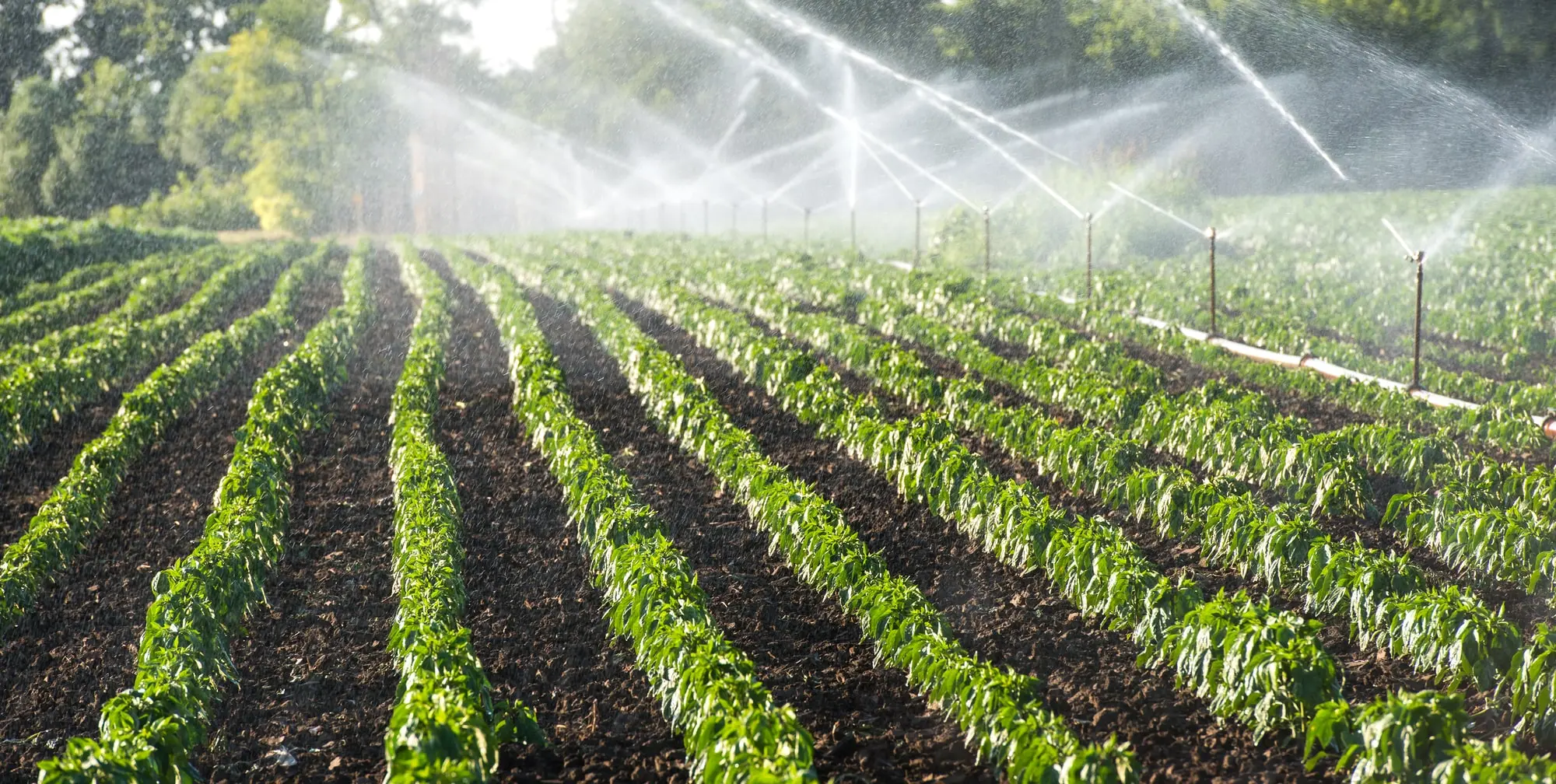
Here is an uncomfortable truth from two decades in this trade: a 20-year irrigation system and a 5-year irrigation system are usually the same hardware — with different owners. Components matter, but routines matter more. This is the maintenance calendar we hand over at commissioning, adapted to Sri Lanka's two-monsoon rhythm, and the checks that catch small faults before they become dead zones and dry crops.
Why systems fail between the monsoons
Sri Lankan systems face a particular cycle of stress. Yala's dry months run equipment hardest exactly when water quality is worst — tanks drop, algae concentrates, and every litre matters. Then the monsoons arrive with lightning, silt-laden water, waterlogged trenches and explosive vegetation growth. Each season sets traps for the next: the filter neglected in August clogs solid in the October rains; the fence line unclearcut in December is drowned in growth by March. A calendar beats good intentions.
The weekly 20 minutes
- Filter pressure check. Read the gauges either side of each filter stage; a rising differential means flush now, not next week.
- Walk a zone. Rotate through the system a zone per week: look for leaks, blocked or misting emitters, tilted sprinkler heads, rodent chew, and wet patches where no water should be.
- Controller glance. Confirm schedules actually ran, and no zone shows abnormal run flags or flow alarms.
- Pump listen. Cavitation, new vibration or a climbing amp draw announce problems weeks before failure.
The monthly hour
- Flush lateral ends on drip zones — open the far ends and let fines run clear.
- Clean filter elements properly (not just backflush) and inspect seals.
- Test one safety — dry-run cutout, relief valve or rain shut-off, in rotation.
- Log water use. Compare flow totals against the same month last year; drift is diagnosis.
Seasonal turning points
| When | Priority tasks | Why it can't wait |
|---|---|---|
| Before Maha (Sep–Oct) | Surge protection check, drainage clearing, secure exposed lines, desilt intake screens | Lightning and silt do their damage in the first storms, not the last |
| During monsoons | Reduce schedules or rely on rain shut-off; inspect after major storms | Running full schedules in rain wastes water and masks faults |
| After Maha (Feb) | Flush silt, re-level tilted heads, clear vegetation, test fence earth rods | Monsoon growth and settlement quietly degrade uniformity |
| Entering Yala (Apr–May) | Full filter overhaul, pump service, uniformity spot-test | The dry season runs equipment hardest on the worst water |
| Peak Yala (Jun–Aug) | Tighten weekly checks; watch source levels and pump amps | A failure now meets maximum crop stress and minimum spare water |

The annual service worth paying for
Once a year, some tasks justify professional hands: a full system audit against commissioning benchmarks, catch-can uniformity testing on turf and sprinkler zones, valve teardown service, controller battery and firmware checks, pump wear assessment, and — where water chemistry demands it — acid or chlorine line cleaning done safely. Every Goodlife installation includes a free first year of this service, and our island-wide network carries it on afterwards; the audit report each year becomes your early-warning system for components approaching end of life.
Fences, pumps and structures: the same discipline
The calendar extends to everything we install. Electric fencing wants a daily voltage glance and seasonal earth-rod testing (see the fencing guide); solar pump arrays want panel cleaning in the dry months and connection checks after storms; greenhouse structures want cladding and fastener inspection before each monsoon. One estate, one calendar, one log book — maintenance thrives on consolidation.
If your system predates this kind of routine, start with an audit rather than guilt: we'll benchmark what you have, fix what matters first, and hand you a calendar that fits your operation. Start via the contact page.